Asian Americana

Where Asian Americans Made History

Dave started building Asian Americana as a travel map for his family. As a way to show his kids that Asian American history is not hidden in footnotes. It is carved into railroad tunnels, preserved in temples, remembered at massacre sites, cooked in old restaurants, and carried by communities across the country.

Use this as a road-trip guide, history map, and living archive of Asian American places.
100+ Places

30+ States

400+ Years

One Story

Explore By Theme

Gateway & Immigration

Labor & Building America

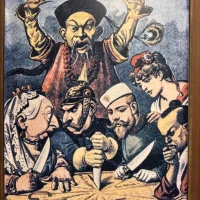
Massacres, Exclusion & Resilience

War, Incarceration & Heroism

Icons, Culture & Community

Twenty Core Places to Visit

  1. Morro Bay: First Landing of AAPIs
  2. Saint Malo: First AAPI Settlement
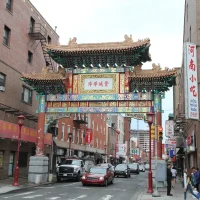
  3. SF Chinatown: America’s First
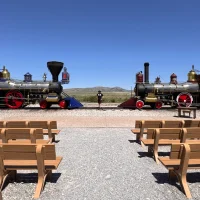
  4. Promontory Summit: Railroad
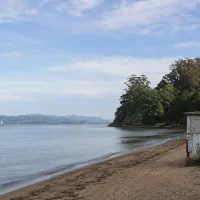
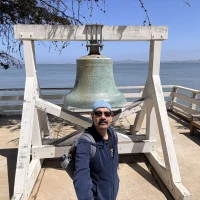
  5. Angel Island: Ellis Island of the West
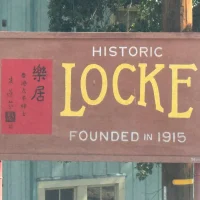
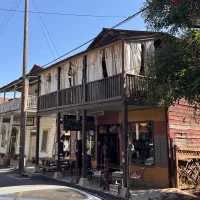
  1. Locke: Town Built by Chinese Americans
  2. Rock Springs: Chinese Massacre
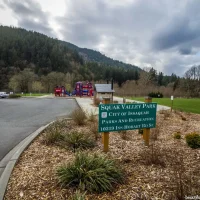
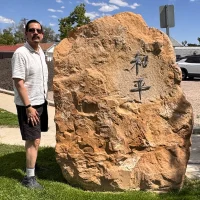
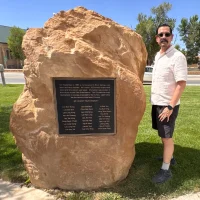
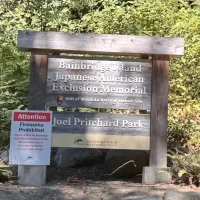
  3. Bainbridge Island: First Forced Removal
  4. Manzanar: One Camp, 10K Stories
  5. 442nd Legacy: WWII’s Greatest Heroes
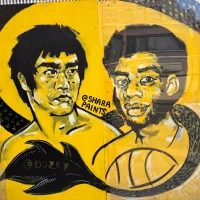
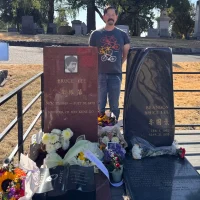
  1. Bruce Lee: Enter the Dragon
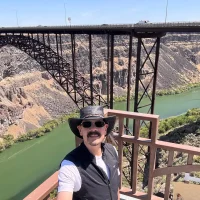
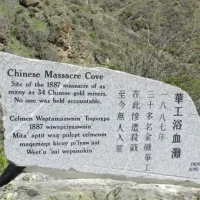
  2. Hells Canyon: Worst Massacre
  3. Paniolo: Greatest American Cowboys
  4. Heart Mountain: Camp Resistance
  5. Pekin: The Oldest Chinese Restaurant
  1. Museum of Chinese in America
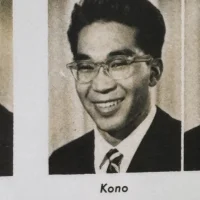
  2. Tommy Kono: Champion Forged in Exile
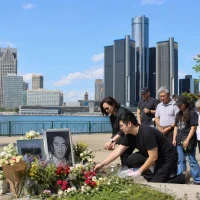
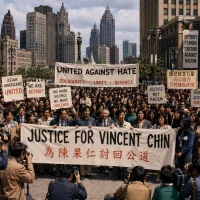
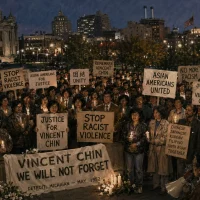
  3. Vincent Chin: The Awakening
  4. Kam Wah Chung: Frontier Apothecary
  5. Evanston: Prairie Chinatown

Featured Stories

The First Documented Asian Landing

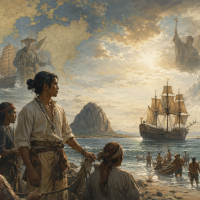
Morro Bay, California: In 1587, Filipino shipfarers landed at Morro Bay, marking the first documented Asian presence in the continental United States. This moment places Asian Americans at the very beginning of America’s Pacific history and connects the U.S. story to the Manila galleon trade and the wider world.

The First Asian American Settlement

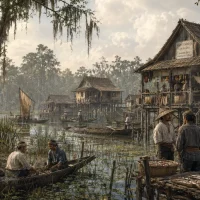
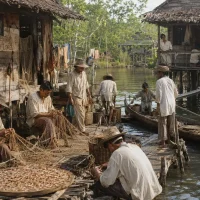
Saint Malo, Louisiana: Filipino sailors known as Manilamen built one of the earliest Asian settlements in North America in the Louisiana bayous. Their village shows that Asian American history was not only West Coast history, but also part of the Gulf South, maritime labor, and global migration.

San Francisco, America’s Chinatown

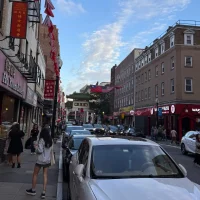
San Francisco Chinatown, California: Chinese immigrants built San Francisco Chinatown into North America’s oldest and most iconic Chinatown, a place of refuge, business, family life, and cultural survival. Its endurance made it a global symbol of how immigrant communities preserve identity while reshaping American cities.

The Iron Road of America

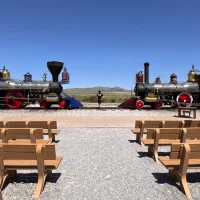
Promontory Summit, Utah: Chinese railroad workers helped complete the transcontinental railroad, linking the country by rail in 1869. Their labor transformed America into a continental power and tied Asian American history to one of the nation’s greatest infrastructure achievements. 

The Ellis Island of the West

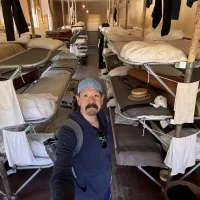
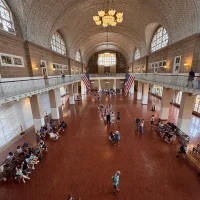
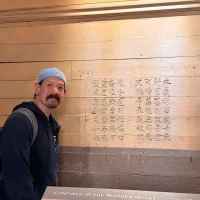
Angel Island, California: Asian immigrants were detained, interrogated, and often humiliated at Angel Island, where many carved poems into the barracks walls. The site exposes how immigration law helped define race, citizenship, and belonging in modern America.

The Town Built by Chinese Americans

Locke, California: Chinese immigrants built Locke in the Sacramento Delta as a rural community of shops, homes, schools, and gathering places. It matters because it preserves a rare physical record of Asian American self-determination in a country that often denied Chinese immigrants land, safety, and citizenship.

The Rock Springs Massacre

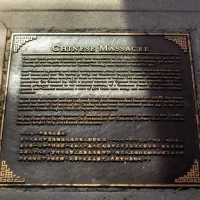
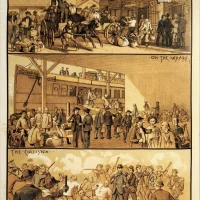
Rock Springs, Wyoming: In 1885, white miners attacked Chinese miners in Rock Springs, killing 28 people, wounding others, and burning homes. The massacre is critical because it reveals how Asian labor helped build America while also facing lethal racism, exclusion, and scapegoating.
The First Forced Removal

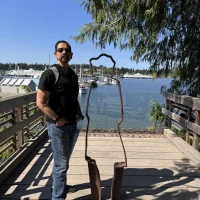
Bainbridge Island, Washington: In 1942, Japanese Americans from Bainbridge Island became the first community forcibly removed from the West Coast under Executive Order 9066. The memorial there warns how quickly fear and racism can strip citizens and immigrants of freedom in a democracy.

One Camp, Ten Thousand Stories

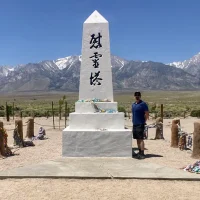
Manzanar, California: Manzanar was one of ten camps where the U.S. government incarcerated Japanese immigrants and Japanese American citizens during World War II. Its ruins and memorials make the constitutional failure of wartime incarceration impossible to ignore.

Go For Broke, the Greatest Heroes

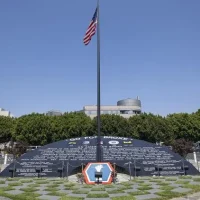
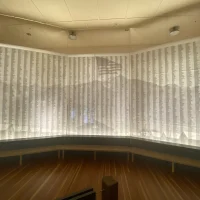
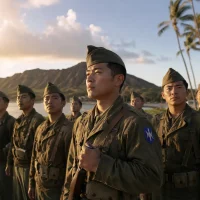
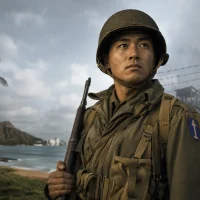
Honolulu, Hawaii: Many Japanese American soldiers who served in the 442nd Regimental Combat Team came from Hawaii and fought for a country that was incarcerating people like them. Their extraordinary record of service challenged racism at home and helped redefine American patriotism during World War II.

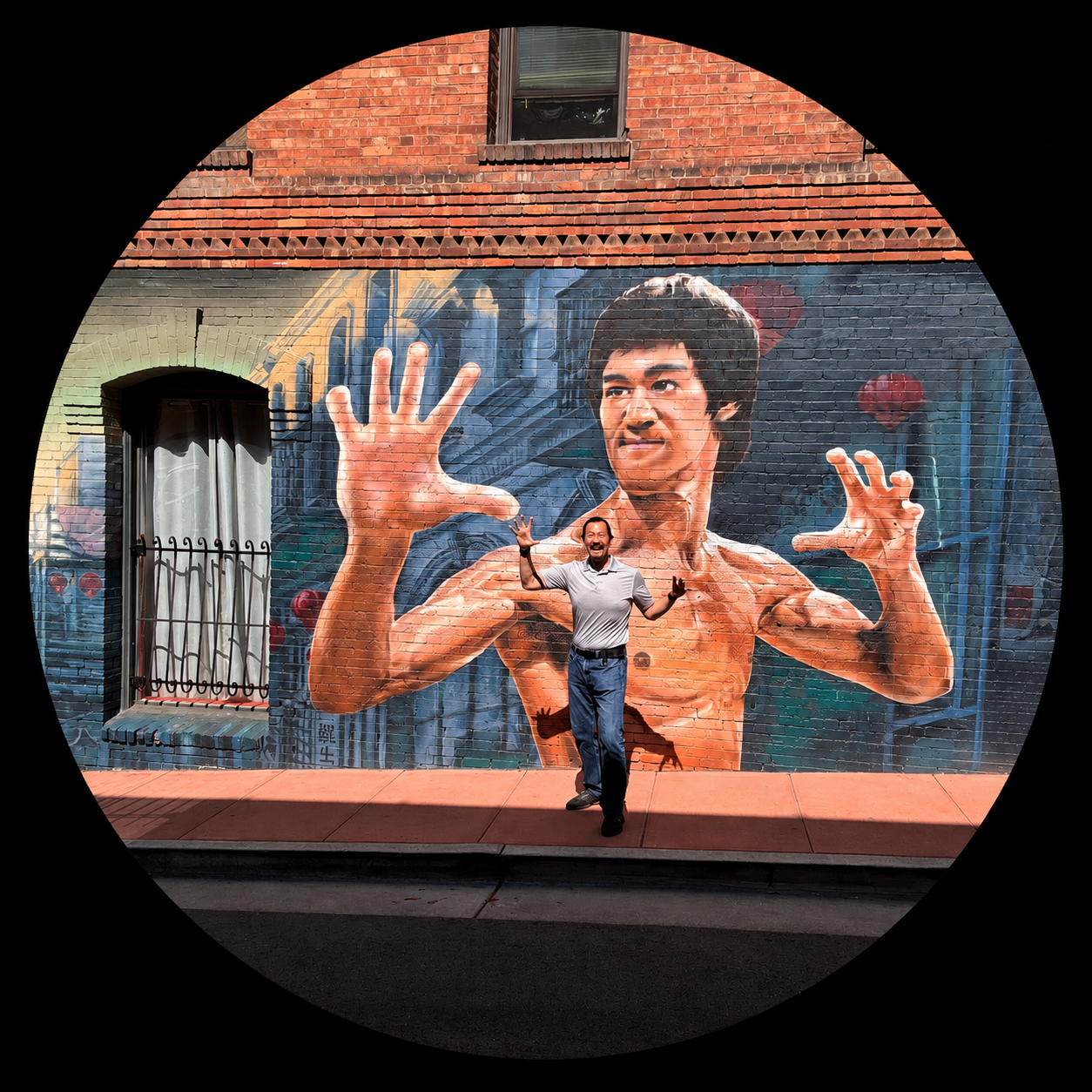
The Dragon Comes To America

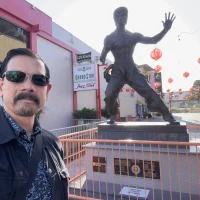
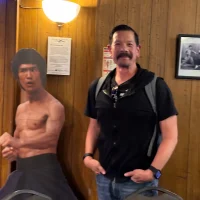
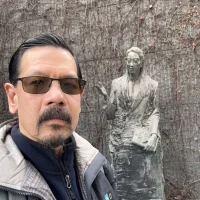
Seattle, Washington: Bruce Lee studied, taught, and opened his first martial arts school in Seattle before changing global cinema and martial arts. His rise made Asian American strength, philosophy, and charisma visible around the world.
Hells Canyon Massacre

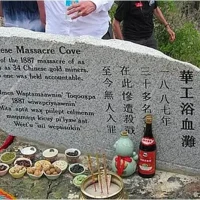
Chinese Massacre Cove, Snake River, Oregon/Idaho: In 1887, as many as 34 Chinese gold miners were ambushed, robbed, murdered, and mutilated along the Snake River in Hells Canyon. Long buried and barely punished, the massacre stands as one of the deadliest anti-Chinese atrocities in U.S. history and exposes how Asian immigrants helped build the American West while facing racial terror and erasure.

The Paniolo Who Conquered the West

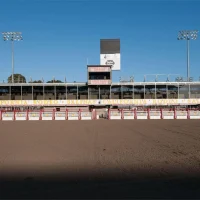
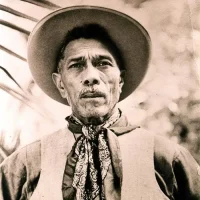
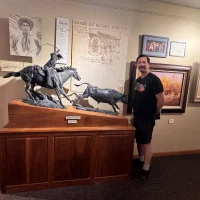
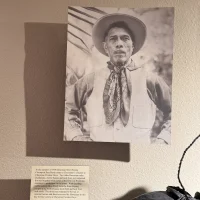
Ikua Purdy, Cheyenne, Wyoming: In 1908, Native Hawaiian paniolo Ikua Purdy stunned the rodeo world by winning the World Steer Roping Championship at Cheyenne Frontier Days, beating some of the best mainland cowboys in America. His victory proved that Hawaiian cowboys belonged among the greatest cowboys in American history and connected Asian Pacific American history to the global mythology of the American West.

The Camp That Resisted

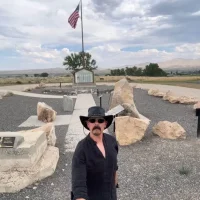
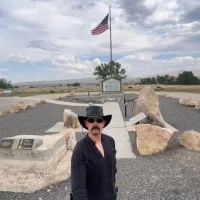
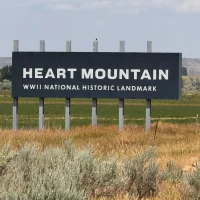
Heart Mountain, Wyoming: Heart Mountain was one of ten World War II camps where the U.S. government incarcerated people of Japanese descent, holding more than 10,000 Japanese Americans behind barbed wire between Cody and Powell. It is especially critical because imprisoned Nisei formed the Fair Play Committee there, challenging the injustice of being drafted to fight for a country that had stripped them and their families of freedom.

America's Oldest Chinese Restaurant

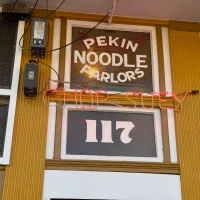
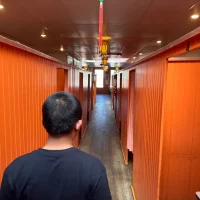
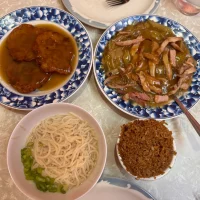
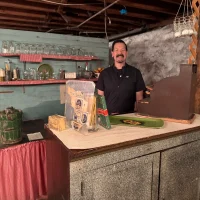
Pekin Noodle Parlor, Butte, Montana: Opened in 1911 by Hum Yow and Tam Kwong Yee in Butte’s historic Chinatown, Pekin Noodle Parlor became one of America’s most important Chinese American restaurant landmarks before closing in 2026. Its century-plus run shows that Chinese American history was not just coastal Chinatown history, but part of the mining West, American restaurant culture, and the everyday making of multicultural America.

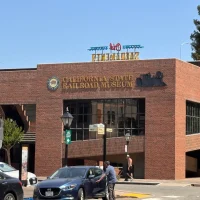
Museum of Chinese in America

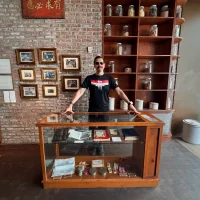
Museum of Chinese in America, Chinatown, New York: MOCA preserves, illuminates, and celebrates the history and contributions of Chinese in America from its home in Manhattan’s Chinatown. It is critical because it turns family objects, oral histories, archives, and exhibitions into a national record of how Chinese Americans helped build, challenge, and transform the American story.

The Champion Forged in Exile

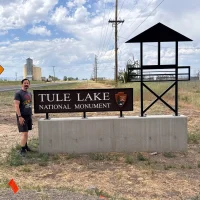
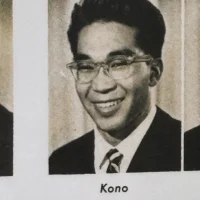
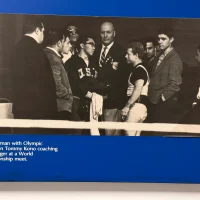
Tommy Kono, York County, Pennsylvania: Born in Sacramento, Tommy Kono began weightlifting as a teenager while incarcerated with his Japanese American family at Tule Lake during World War II. He went on to become one of the greatest weightlifters in history, turning a story of exclusion into Olympic gold, world records, and a lasting symbol of Asian American resilience.

Vincent Chin and The Awakening

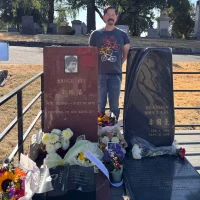
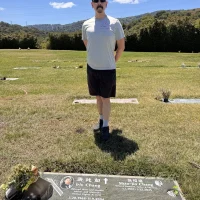
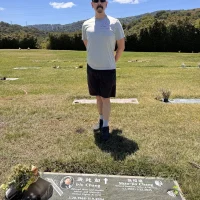
Detroit, Michigan: The killing of Vincent Chin in 1982 helped ignite a national Pan-Asian American civil rights movement. Detroit became the place where many Asian Americans saw that different ethnic communities had to unite against racism, violence, and injustice.

The Frontier Apothecary

Kam Wah Chung, John Day, Oregon: Kam Wah Chung began as a Chinese-owned store, clinic, temple, labor office, and community center serving Chinese miners and workers in eastern Oregon. It is critical because its preserved rooms reveal how Chinese immigrants built businesses, healed communities, and survived in the American West despite exclusion and anti-Chinese violence.

The Prairie Chinatown of the West

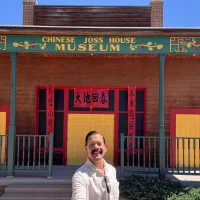
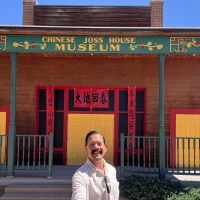
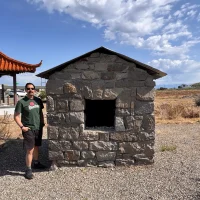
Chinese Joss House Museum, Evanston, Wyoming: Evanston’s Chinese Joss House Museum preserves the story of Chinese immigrants who lived and worked in Uinta County from the 1870s through the 1930s, with artifacts, photographs, archaeological finds, and a scale model of the city’s lost Chinatown. It matters because it shows that Asian American history was not confined to coastal cities, but was deeply woven into the railroad towns, labor struggles, faith traditions, and frontier communities of the American West.

The Town Beneath the Richest Hill

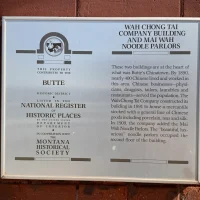
Mai Wah Museum, Montana: Chinese immigrants helped build Butte’s mining boom and created one of the most important Chinatowns in the Rocky Mountain West. The Mai Wah and Wah Chong Tai buildings preserve that legacy today, offering a rare glimpse into the restaurants, shops, medicine, labor, and community life that shaped Asian America far beyond the coasts.

The Temple of Gold Mountain

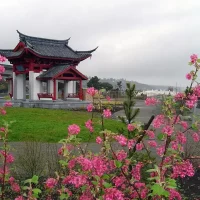
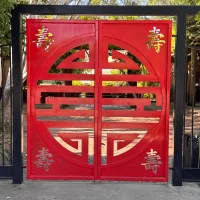
Oroville Chinese Temple, Oroville, CA: A landmark Chinese temple complex whose main temple was dedicated in 1863, later preserved as a museum and living place of worship for one of Northern California’s largest Chinese communities.

The Hall Where the Strike Began

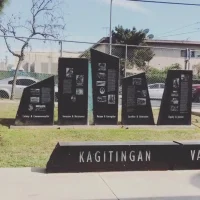
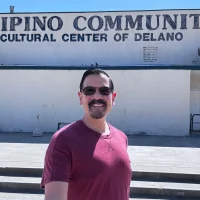
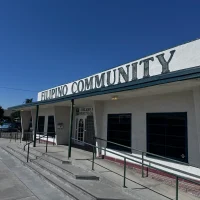
Filipino Community Hall, Delano, California: On September 7, 1965, Filipino farmworkers led by Larry Itliong gathered inside this hall and voted to strike against Delano grape growers. The next day, they walked off the fields. Their decision helped ignite the Delano Grape Strike, transforming a Filipino labor struggle into one of the most important multiracial movements in American history.
The Fight for Manilatown

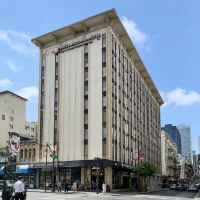
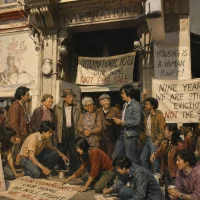
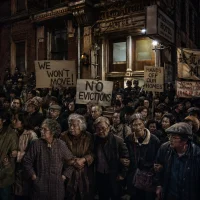
International Hotel, San Francisco, California: Filipino and Chinese tenants fought a nine-year anti-eviction battle to save the International Hotel from redevelopment. The struggle became a landmark of Asian American activism, linking housing justice, elder dignity, student organizing, and the survival of urban ethnic communities.

The First Asian Stars of Hollywood

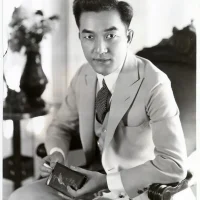
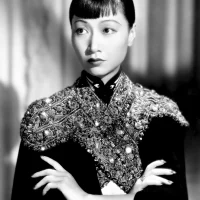
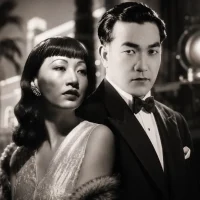
Hollywood, California: Anna May Wong and Sessue Hayakawa proved that Asian actors could become global screen icons despite racist casting systems and stereotypes. Their careers exposed both the power of Asian representation and the barriers Hollywood built to limit it.

The Historian Who Refused to Forget

San Jose, California: Iris Chang’s work helped bring the Nanjing Massacre and Chinese wartime suffering into broader Western awareness. Her writing connected Asian American identity to global memory, human rights, and the responsibility to tell buried histories.

The Mountain West Remembers

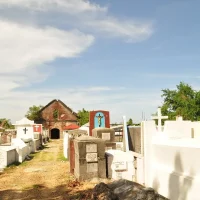
Baker City Chinese Cemetery, Baker City, Oregon: Chinese immigrants came to Baker County in the 1860s to mine gold, build railroads, and help power the economy of eastern Oregon. The cemetery preserves the memory of a once-vital Chinese community and shows how Asian American labor shaped even the most remote corners of the American West.

The First Japanese Colony in America

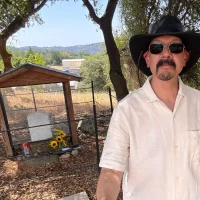
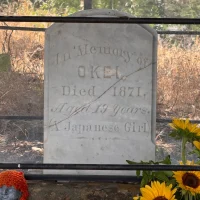
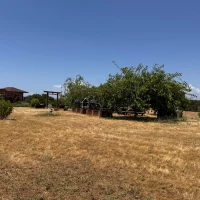
Wakamatsu Tea and Silk Farm Colony, Gold Hill, California: In 1869, Japanese immigrants from Aizu-Wakamatsu established the first Japanese colony in North America near Sacramento, bringing tea plants, mulberry trees, silk-making knowledge, and hopes of rebuilding after civil war in Japan. The colony failed within a few years, and the death of 19-year-old Okei Ito, the first known Japanese woman buried on American soil, turned the site into a tragic landmark of Japanese American beginnings.

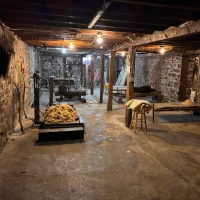
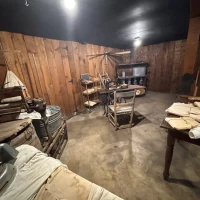
The Chinese Underground City

Pendleton Underground, Pendleton, Oregon: Beneath downtown Pendleton, basement rooms and sidewalk passages preserve traces of the city’s frontier economy, including Chinese immigrant businesses such as Hop Sing’s laundry. The site is important not only for showing how Chinese Americans helped build life in the inland West, but also for revealing how “Chinese tunnel” myths can distort real immigrant history and turn exclusion-era survival into stereotype.

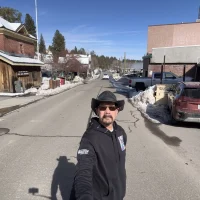
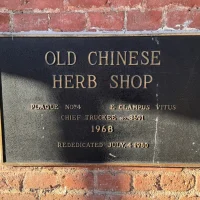
The Chinatown That America Forgot

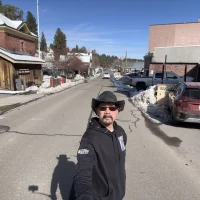
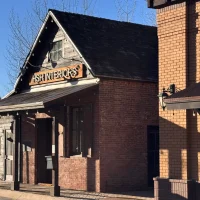
Truckee, California: Truckee once had one of the largest Chinese communities on the West Coast, with Chinese residents making up roughly a quarter to a third of the town around 1870. Today, almost nothing visible remains of its once-thriving Chinatowns except the Chinese Herb Shop, making Truckee a powerful example of how Asian Americans helped build the West and were then violently pushed out of its memory.

The Stonework That Conquered the Sierra

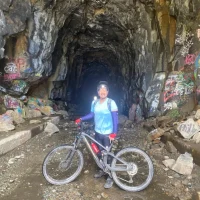
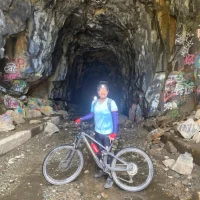
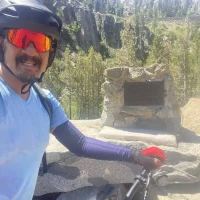
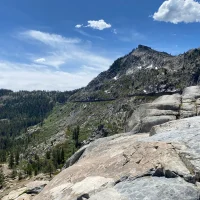
China Wall and the Donner Summit Tunnels, Truckee, California: At Donner Summit, Chinese railroad workers carved tunnels through solid granite and stacked stone retaining walls by hand so the Central Pacific Railroad could cross the Sierra Nevada. The Summit Tunnel became one of the great engineering feats of the Transcontinental Railroad, but the men who drilled, blasted, froze, and died there were long left out of the heroic version of the story. The site matters because the mountain still carries the marks of their labor.

The Rural Chinatown That Survived

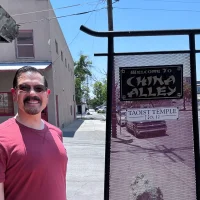
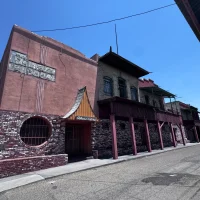
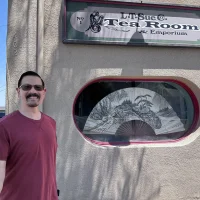
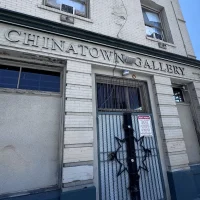
China Alley, Hanford, California: Chinese immigrants built China Alley into a Central Valley Chinatown of restaurants, herb shops, laundries, grocers, gathering places, and a Taoist temple. Its survival matters because so many rural Chinatowns vanished from violence, neglect, redevelopment, or forgetting. Hanford preserves a rare small-town reminder that Asian American history was not only made in big coastal cities.

The Central Valley’s Asiatowns

Fresno Asiatowns, Fresno, California: West of the railroad tracks, Fresno’s Chinatown became a layered Central Valley neighborhood where Chinese, Japanese, Filipino, and other immigrant communities worked, worshiped, shopped, ate, and built lives together. Its story matters because it reveals Asian America as a farmworker, railroad, small-business, and family story rooted deep in California’s agricultural heartland.

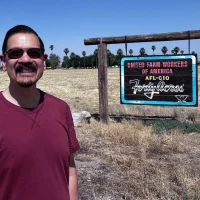
The HQ That Honored the Manongs

The Forty Acres and Agbayani Village, Delano, California: The Forty Acres became the United Farm Workers’ headquarters, but its story begins with Filipino American farmworkers who helped launch the Delano Grape Strike. At this site, the movement built clinics, offices, a hiring hall, service spaces, and the Paolo Agbayani Retirement Village for aging Filipino “Manong” workers who had spent their lives in the fields. It matters because Filipino Americans were not a footnote to the farmworker movement.

The Midwest Chinese Community

Kansas City, Missouri: Kansas City never had a formal Chinatown like San Francisco, Chicago, or Boston, but before World War II it had a real Chinese American community of laborers, laundrymen, restaurant owners, grocers, doctors of Chinese medicine, and family associations. Its story matters because it pushes Asian American history into the Midwest, where immigrant communities often survived without arches, tourist districts, or easy recognition.