Chinese Culture & Civilization
Where One of the World’s Oldest Continuous Civilizations Took Shape
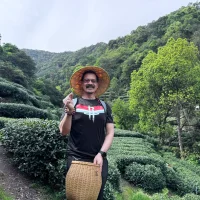
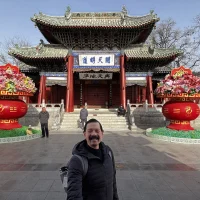
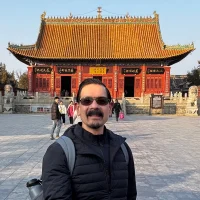
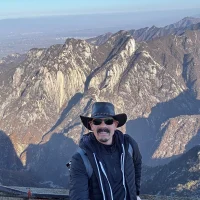
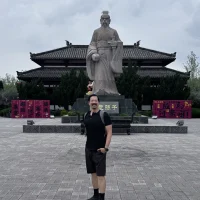
China is one of humanity’s great cradles of civilization but for Dave, it is also a living connection to family, identity, and ancestral heritage. For the past decade, he has brought his kids to China every year so they could experience this history firsthand and better understand what it means to be Asian American.
Through these journeys from ancient capitals, sacred mountains, temples, gardens, tea fields, food streets, and historic towns, Dave hopes readers will find inspiration in these stories and discover for themselves the depth, beauty, and wonder of Chinese civilization.
5,000+ Years of History
20+ Cultural Sites
One Living Civilization
East Asia’s Foundation
Explore By Theme
Origins & Mythic Foundations
Writing, Philosophy & Social Order
Faith, Art & Sacred Mountains
Empires, Capitals & National Memory
Aesthetics & the Cultivated Life
Twenty Core Places to Visit
- Beijing: Heaven, Empire & Memory
- Qufu: Confucius & Moral Order
- Anyang: Oracle Bones
- Xi’an: Qin, Han, Tang & Silk Road
- Luoyang: Buddhism & Old Capitals
- Dengfeng/Shaolin: Kung Fu & Chan
- Kaifeng: Song & Qingming Scroll
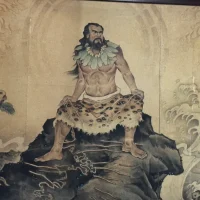
- Tianshui: Fuxi & Mythic Origins
- Huaiyang: Fuxi Mausoleum
- Xinzheng: Yellow Emperor Hometown
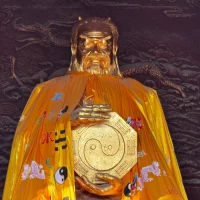
- Hangu Pass: Laozi & the Dao
- Mount Tai: China’s Holiest Mountain
- Mount Huashan: Daoist Awe & Danger
- Mount Song: Shaolin & Sacred Center
- Yuncheng: Guan Yu & Loyalty
- Hangzhou: West Lake & Diancha
- Liangzhu: Neolithic State Formation
- Suzhou: Gardens & Jiangnan Style
- Nanjing: Capital, Revolution & Memory
- Huangshan: Painting & Landscape
Featured Stories
The Center of Heaven and Power
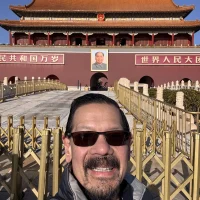
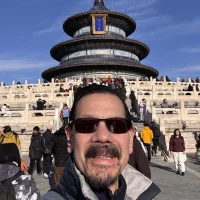
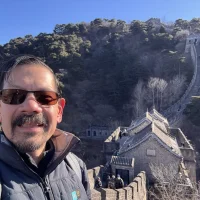
Beijing, China: The Forbidden City, Temple of Heaven, Great Wall, Tiananmen Square, and Mao Mausoleum gather imperial ritual, frontier defense, revolution, and modern state memory in one city. Few places reveal so clearly how Chinese civilization imagined order between Heaven, ruler, people, and nation.
The Hometown of Moral Civilization
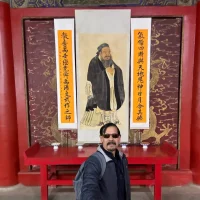
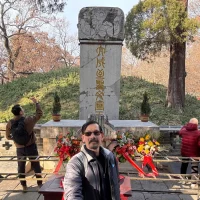
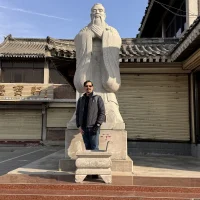
Qufu, Shandong: Confucius’s hometown preserves the temples, mansion, cemetery, and ritual landscape of the philosopher who shaped East Asian ethics. The site reveals how family, education, duty, hierarchy, and humane governance became a civilizational language that lasted for millennia.
Where Chinese Writing Begins
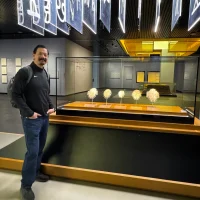
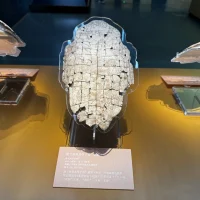
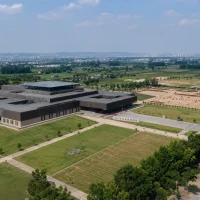
Anyang, Henan: At Yin Xu, Shang diviners carved questions into bones and shells, creating China’s earliest known written language. These oracle bones reveal a Bronze Age world already wrestling with ancestors, kingship, warfare, weather, ritual, fate, and the power of written memory.
The Capital That Made China
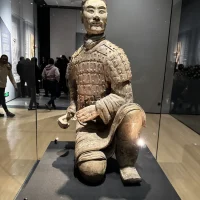
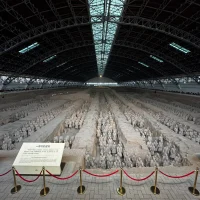
Xi’an, Shaanxi: Terracotta warriors, Han tombs, Tang pagodas, city walls, and Silk Road memory make Xi’an one of the great capitals of world history. This is where China became empire, identity, bureaucracy, cosmopolitan culture, and a gateway between East and West.
Where Empire Met Enlightenment
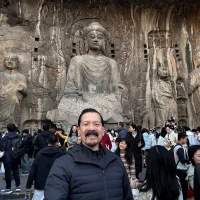
Luoyang, Henan: Longmen Grottoes, White Horse Temple, Guanlin, and ancient capital sites reveal a city where empire, Buddhism, sculpture, and sacred kingship converged. Luoyang shows how foreign faiths entered China, became Chinese, and helped reshape art, politics, and devotion.
Where Combat Becomes Spirit
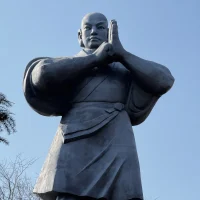
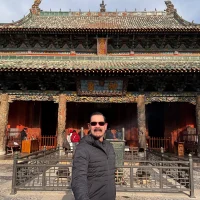
Dengfeng, Henan: Shaolin Temple, Mount Song, Songyang Academy, Zhongyue Temple, and ancient astronomy turn this region into a meeting ground of body, mind, mountain, and cosmos. Here, martial arts become discipline, Buddhism becomes practice, and learning becomes a path toward self-mastery.
The City Inside the Painting
Kaifeng, Henan: The Northern Song capital lives in memory through commerce, canals, markets, bureaucracy, and the world of Along the River During Qingming Festival, China’s most famous vision of urban life. Kaifeng reveals a China of urban sophistication, crowded streets, fragile prosperity, and civilization at human scale.
The Temple of the First Symbols
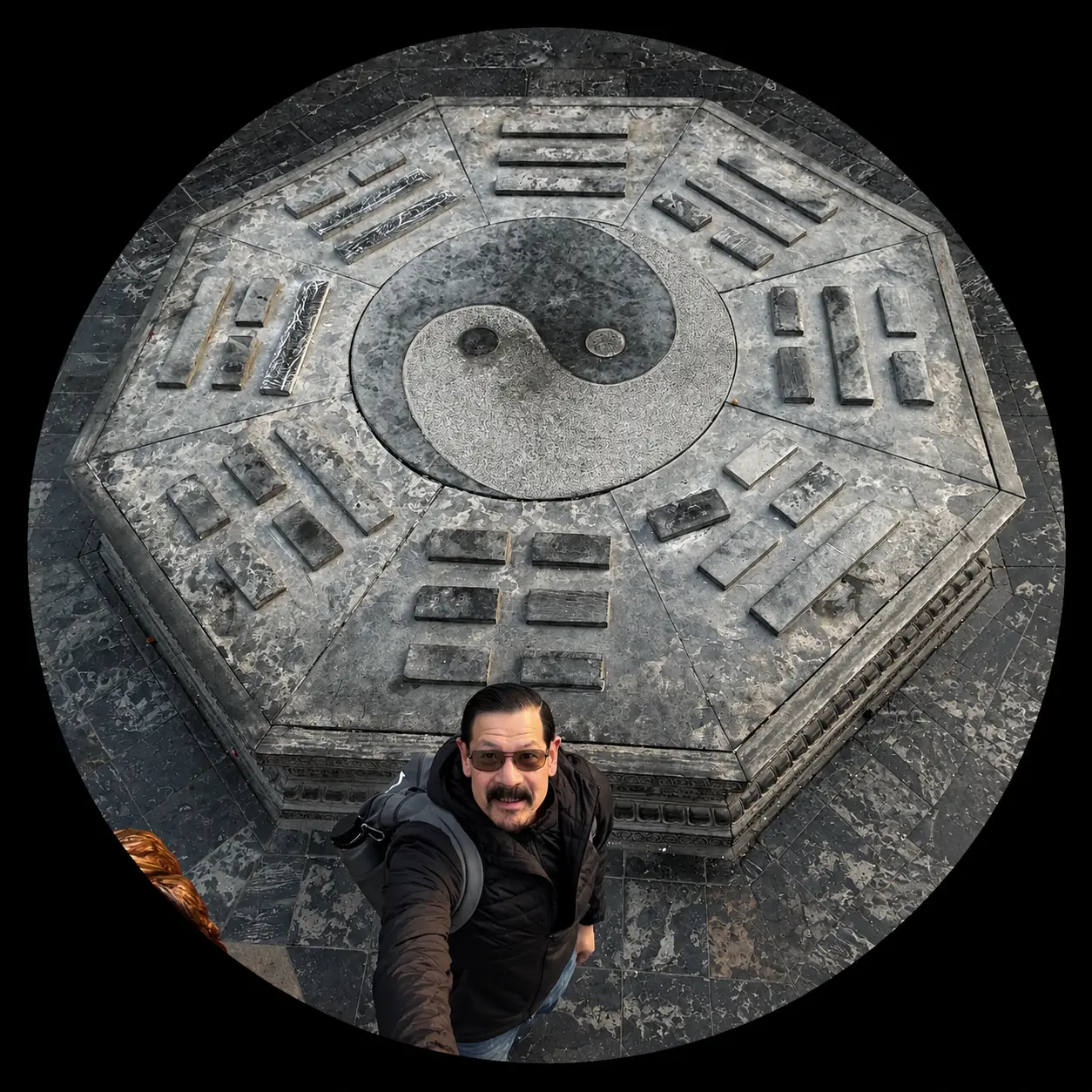
Tianshui, Gansu: Fuxi Temple honors the culture hero associated with trigrams, kinship, order, and the symbolic imagination of Chinese beginnings. The site connects myth, cosmology, and civilization’s first attempt to find pattern in nature, family, and the universe.
The Mausoleum of the First Ancestor
Huaiyang, Henan: Taihao Fuxi Mausoleum turns Chinese origin myth into a living ritual landscape. Pilgrims come here not merely to see the tomb of Fuxi, but to stand inside a story about ancestry, harmony, invention, and the beginning of Chinese civilization.
The Ancestor of a Civilization
Xinzheng, Henan: The Yellow Emperor Hometown is site of one of the most powerful symbolic ancestors in China. Whether history, legend, or national memory, Huangdi represents the dream of shared origin: a mythic father for a civilization still defining itself.
Where the Dao Entered the World
Hangu Pass, Henan: Tradition says Laozi composed the Dao De Jing here before disappearing westward. The pass marks a civilizational threshold where empire, road, border, and wisdom meet and where Chinese thought imagined power yielding to humility, balance, and the Way.
China’s Holiest Mountain
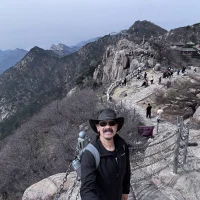
Mount Tai, Shandong: Emperors climbed this sacred mountain to perform sacrifices linking Heaven, Earth, and political legitimacy. Its temples, inscriptions, gates, and summit paths reveal how landscape became authority, pilgrimage became philosophy, and a mountain became the ritual center of China.
The Mountain of Awe and Danger
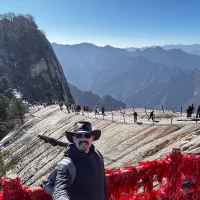
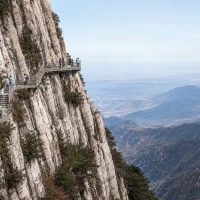
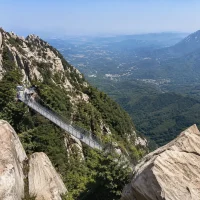
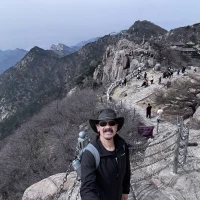
Mount Huashan, Shaanxi: Sheer cliffs, Daoist temples, narrow paths, and legendary danger make Huashan one of China’s most unforgettable sacred mountains. The climb turns landscape into a test of courage, humility, endurance, and the human search for transcendence.
The Sacred Center of Order & Worship
Mount Song, Henan: One of China’s Five Great Mountains, Mount Song anchors Shaolin, Zhongyue Temple, Songyang Academy, and ancient astronomical observation. It reveals China’s idea of the center where martial discipline, ritual order, learning, mountain worship, and cosmic measurement converge.
The Temple of War and Loyalty
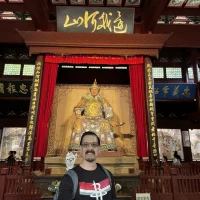
Yuncheng, Shanxi: Xiezhou Guandi Temple honors Guan Yu, the warrior later worshiped as the God of War, known for his loyalty, righteousness, and martial virtue. Nearby salt history adds another layer, showing how morality, trade, popular religion, and state power flowed through everyday Chinese life.
Where Beauty Became Civilization
Hangzhou, Zhejiang: West Lake, Lingyin Temple, tea culture, silk, the Grand Canal, and Southern Song memory make Hangzhou a capital of cultivated life. The city shows how Chinese civilization turned landscape, leisure, poetry, Buddhism, commerce, and refinement into enduring beauty.
The Lost City Before China
Liangzhu, Zhejiang: Jade ritual, water engineering, city planning, and archaeological remains reveal one of China’s deepest Neolithic foundations. Long before later dynasties, Liangzhu shows a sophisticated world already organizing power, belief, labor, landscape, and sacred objects into early civilization.
The Garden as Philosophy
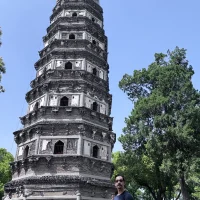
Suzhou, Jiangsu: Classical gardens, canals, silk, libraries, museums, and old streets turn the city into a world of cultivated restraint. Here, rocks become mountains, ponds become lakes, and private gardens become miniature universes shaped by poetry, memory, status, and refined imagination.
The Capital of Triumph and Trauma
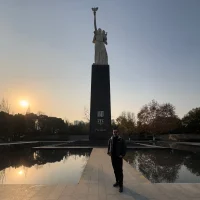
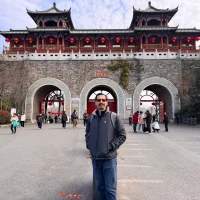
Nanjing, Jiangsu: Ming tombs, republican monuments, city walls, museums, and wartime memorials make Nanjing one of China’s most emotionally layered capitals. The city holds triumph and trauma together, revealing how civilization remembers power, revolution, atrocity, witness, and survival.
The Mountain That Became a Painting
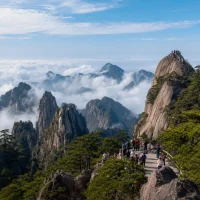
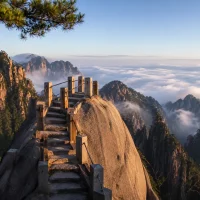
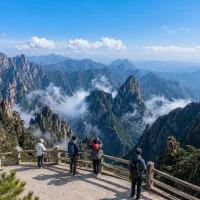
Huangshan, Anhui: Granite peaks, twisted pines, seas of cloud, hot springs, and poetic vistas made Huangshan one of China’s great landscape icons. The mountain shows how nature entered Chinese painting, literature, travel, and imagination as something both real and otherworldly.
The Buddha Above the Harbor
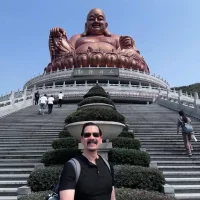
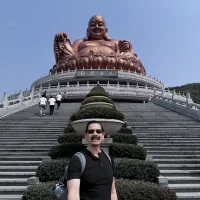
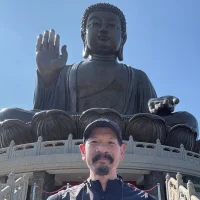
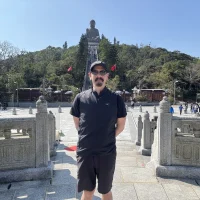
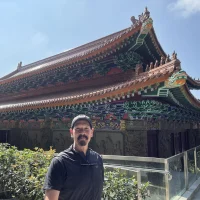
Hong Kong: The Tian Tan Buddha and Po Lin Monastery turn Hong Kong’s mountains into a modern symbol of faith, harmony, and Chinese identity. Completed in 1993, the Big Buddha became one of the city’s most recognizable spiritual landmarks.
The City That Became the Future
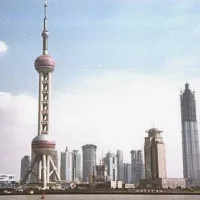
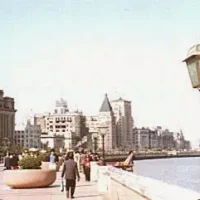
Shanghai, China: The Bund, treaty-port streets, museums, and Pudong skyline reveal China’s forced encounter with the modern world and its transformation into global power. Shanghai is where colonial pressure, commerce, revolution, finance, and futurism collide.
The Library of the Silk Road
Dunhuang, Gansu: The Mogao Caves preserve Buddhist murals, sculptures, manuscripts, and Silk Road memory on a staggering scale. This desert oasis shows how India, Central Asia, and China transformed one another through faith, art, trade, and translation.
The Mountain of Clay Buddhas
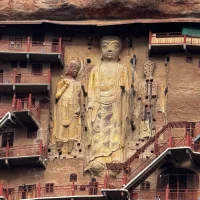
Tianshui, Gansu: Maijishan turns a cliff face into a suspended world of Buddhist sculpture, devotion, and Silk Road exchange. It pairs beautifully with Fuxi Temple, linking mythic Chinese origins with the arrival and localization of Buddhist art.
Where Myth Meets Archaeology
Luoyang area, Henan: Erlitou is where the question of Xia, early kingship, bronze culture, and state formation becomes tangible. It belongs on the map because it connects Chinese origin stories to archaeology, power, ritual, and the birth of early states.
German Empire and the Birth of Tsingtao
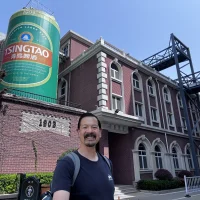
Qingdao, Shandong: German colonial architecture, Kiautschou Bay, the old port, and Tsingtao Brewery make Qingdao a compact journey through Western imperial history, seaside modernity, beer culture, and memory. Few cities connect red-roofed Europe, Chinese resilience, ocean trade, and a global brand so vividly.
The Library of History by the Sea
Ningbo, Zhejiang: Tianyi Pavilion, old port culture, temples, and maritime memory reveal China as a civilization of books and oceans. This is where private scholarship, preservation, sea trade, and coastal openness become part of the Chinese story.
The Mountain Before Exile
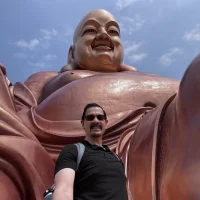
Xikou, Zhejiang: Mount Xuedou, Xuedou Temple, the Maitreya Buddha, waterfalls, and Chiang Kai-shek’s hometown turn this valley into a bridge between sacred landscape and modern Chinese history. Here, Buddhist pilgrimage, family memory, Republican politics, and the road to Taiwan all converge.
The Treaty-Port of Imperial Invasion
Tianjin, China: Five Great Avenues, Jingyuan, Ancient Culture Street, and the Haihe riverfront show late Qing and Republican China under foreign pressure and urban reinvention. It is a mirror of modernity, concession culture, commerce, and survival.
The Living Legacy of the Art of War
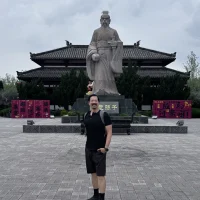
Binzhou, Shandong: Sunzi cultural sites and traditions associated with Sun Tzu make Binzhou a compact journey through strategy, discipline, ancient Qi wisdom, and statecraft. Few cities connect battlefield intelligence, political thought, discipline, and Chinese civilization so directly.